

*Combined figure for programmes JS6303, JS6315, JS6339, JS6353, JS6377, JS6937 & JS6987
Programme Introduction
Our programme aims to equip students with a solid foundation in the modern civil engineering profession through five core areas: Structural Engineering, Geotechnical Engineering, Environmental Engineering, Transportation Engineering, and Infrastructure Construction Management. Contemporary technologies such as building information modeling, modular integrated construction, and artificial intelligence are incorporated into the curriculum, enabling graduates to offer innovative solutions to practical problems through planning, design, construction, management, and control.
Our programme further emphasizes active learning, capstone experiences, internships, exchange, and research-based studies. These opportunities allow students to develop lifelong learning skills that will help them excel in their careers as competent Civil Engineers.
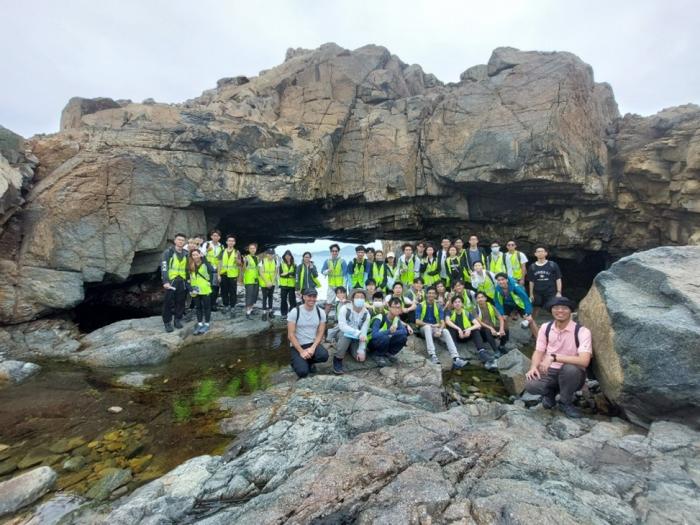
The emphasis in the first two years is on the basic engineering subjects such as fluid, rock and structural mechanics; construction materials; structural analysis and design; basic environmental and transportation engineering. Students will then take elective courses to study in-depth the subjects under construction, environmental, geotechnical, structural and transportation engineering. In the final year, students will conduct a group-based Capstone Design Project where they need to integrate all the knowledge they have learnt and work on a real life civil engineering projects from preliminary design up to the detailed design stage. Final year students also undertake a dissertation style project by handling a practical engineering problem. They need to conduct research on the topic, apply their engineering knowledge and present the findings in a report.
Three focus areas including Environmental Engineering, Smart Transport & Logistics and Urban Informatics are provided for students’ specialization.
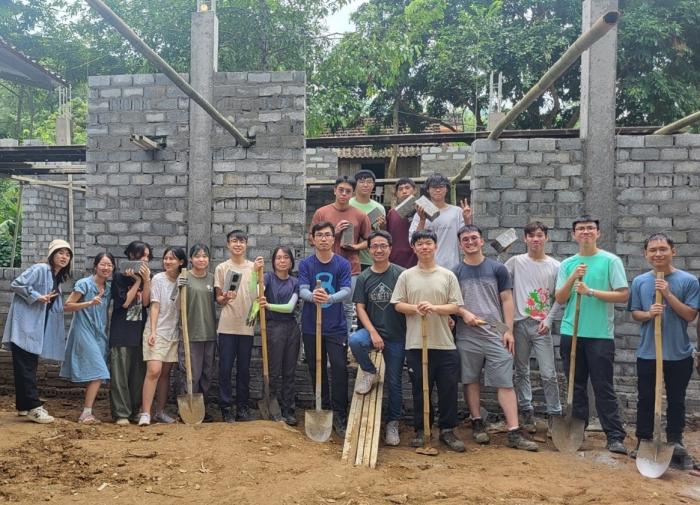
Students will build solid foundations in civil engineering through active learning, capstone experience, hands-on activities, internship, exchanges and research-based studies, which prepare them to pursue a professional civil engineer career.

The BEng in Civil Engineering (Hons) programme is accredited by The Hong Kong Institution of Engineers (HKIE).
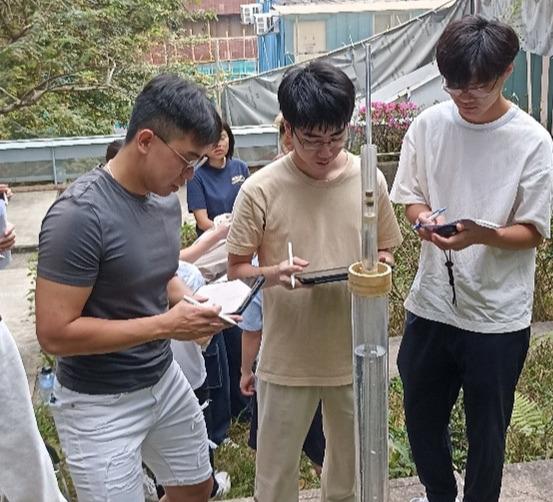
Most of our graduates have entered various public or private organisations as trainee engineers upon graduation. Some will pursue further education.
Employers included various government works departments (e.g. Architectural Services Department, Civil Engineering and Development Department, Drainage Services Department, Environmental Protection Department, Geotechnical Engineering Office, Highways Department, Housing Department, Transport Department, Water Supplies Department, etc); the MTRC; developers; and consulting and construction firms. Our graduates have normally been able to become qualified/chartered engineers within a few years.
Our BEng programme is accredited by the Hong Kong Institution of Engineers through the Washington Accord, the international accreditation agreement for professional academic degree. Our degree is therefore recognised in Australia, Canada, Singapore and U.S., etc. Such recognition widens our graduates’ professional prospects around the world.
